

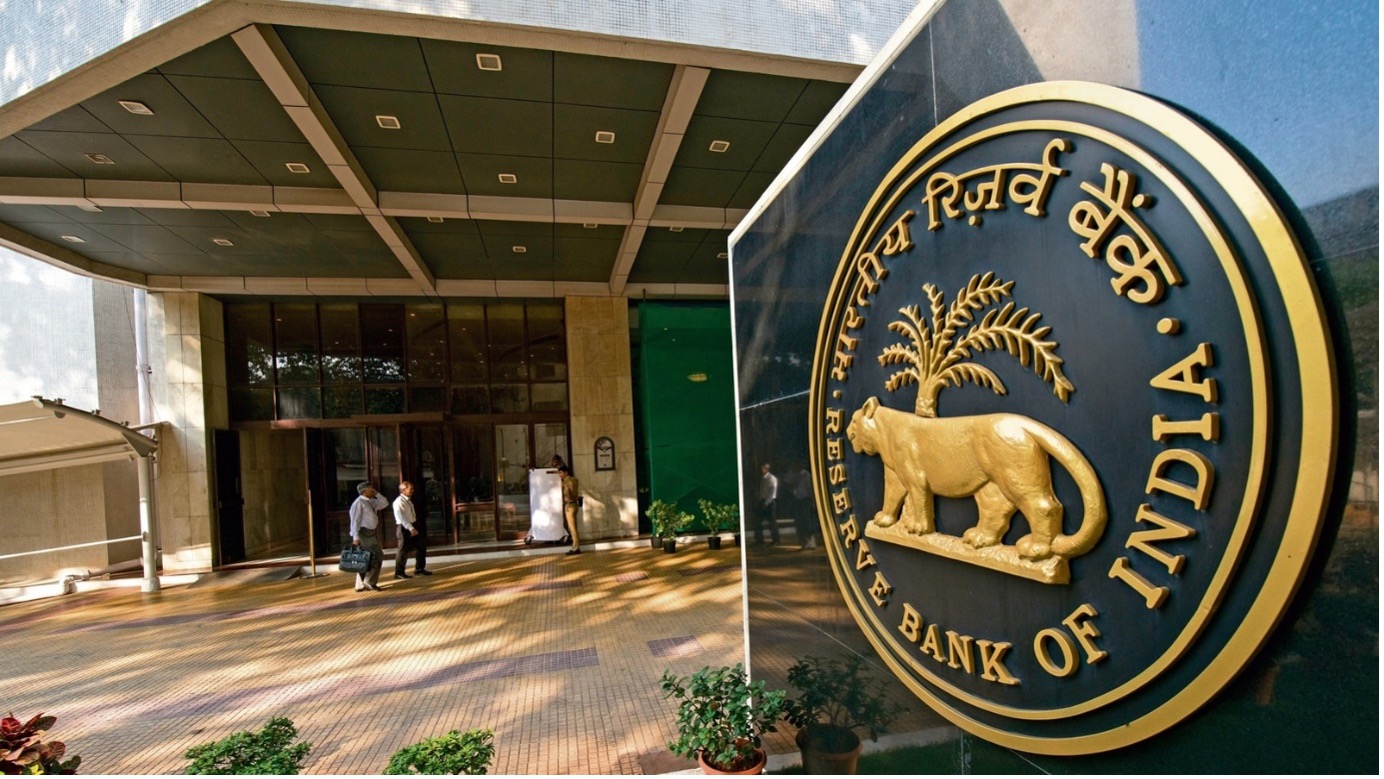

Indian banks, including HDFC Bank, Kotak Mahindra Bank, Axis Bank, Canara Bank, and IDFC First Bank, have facilitated employee benefit disbursements through the Reserve Bank of India’s (RBI) central bank digital currency (CBDC), the e-rupee, in December. This strategic move has propelled the RBI toward achieving its target of one million daily transactions by the end of 2023. The e-rupee serves as a digital alternative to physical cash and is built on distributed ledger technology.
The RBI initiated the e-rupee pilot in December 2022, aiming to revolutionize digital transactions. Initially, daily transactions averaged 25,000 by the end of October. However, the landscape transformed when key private and state-run lenders began disbursing employee benefits directly to CBDC wallets instead of traditional salary accounts in December.
Key Banks Shaping the E-Rupee Landscape:
Prominent financial institutions, including HDFC Bank, Kotak Mahindra Bank, Axis Bank, Canara Bank, and IDFC First Bank, actively participated in facilitating employee benefits through the e-rupee. This shift represents a notable stride in the adoption of digital currencies in India, especially when linked to the widely used United Payments Interface (UPI).
Rapid User Base Expansion:
Amidst these developments, the user base for e-rupee has experienced steady growth. The number of users has surged to approximately 4 million, up from 3 million in December, indicating a rising acceptance of CBDC among the Indian population. This substantial user base expansion suggests a positive trajectory for the digital currency’s adoption in the coming months.
RBI’s Expectations and Future Developments:
The RBI anticipates that non-financial firms will follow suit, further boosting e-rupee transactions. By broadening its use cases and expanding the scope of transactions, the RBI aims to create an ecosystem that embraces digital alternatives to traditional banking methods.
Globally, several countries, including China, France, and Ghana, are in the early stages of CBDC projects. While Nigeria has rolled out its digital currency, it has faced challenges in gaining widespread acceptance. In the Indian context, the successful integration of CBDC into employee benefit schemes sets a precedent for broader applications.
Incentives for E-Rupee Transactions:
To encourage increased volumes, Indian banks are providing incentives for e-rupee transactions, aligning with the RBI’s strategic directive. By compensating employees through the CBDC, banks aim to drive adoption and reshape transactional norms. Industry experts suggest that incorporating other avenues, such as toll tax collections, could further incentivize the adoption of the e-rupee.
Sharat Chandra, Co-founder of India Blockchain Forum, commended the move, stating that compensating employees through the CBDC is a positive step. He suggested expanding the scope to include additional use cases, like toll tax collections, to enhance adoption further.
The convergence of traditional banking with digital innovation, as demonstrated by the utilization of the e-rupee for employee benefit payouts, signals a transformative phase in India’s financial landscape. The collaborative efforts of key banks and the RBI’s strategic vision are driving the adoption of CBDC, setting the stage for a future where digital currencies play a central role in everyday financial transactions.